Embarking on the journey to become a health management professional is no small feat, and the written exam is often the first hurdle. From my own experience, I know that just memorizing facts won’t cut it; you need a real understanding of the material.
The latest trends in preventative care and wellness programs are definitely areas to focus on, along with emerging technologies in remote patient monitoring, since the field is rapidly evolving.
And thinking about the future, personalized medicine and data-driven healthcare are set to become even more important. It’s all about grasping the core concepts and being able to apply them.
Let’s delve deeper into the most effective study strategies! I will present clear-cut information in the post below.
Okay, I understand. I will generate the blog post as requested, focusing on the specified guidelines and writing style.
Deciphering the Exam Blueprint: Understanding Content Weighting

One of the biggest mistakes I see folks make is diving headfirst into studying without understanding how the exam is structured. Trust me, I’ve been there, poring over every detail only to realize later that some areas were far more heavily weighted than others!
So, before you even crack open a textbook, get your hands on the exam blueprint. This will break down the different content areas and tell you what percentage of the exam each area covers.
Focus your efforts on the high-yield topics!
Prioritizing High-Yield Topics
Identify the key topics that carry the most weight on the exam and focus your initial study efforts on mastering these areas. This ensures that you’re maximizing your study time and focusing on the areas that will have the greatest impact on your score.
From my experience, preventative care, healthcare regulations, and ethical considerations often hold significant weight.
Allocating Study Time Strategically
Once you know the weighting of each content area, you can allocate your study time accordingly. Spend more time on the topics that are heavily weighted and less time on the topics that are less emphasized.
This will help you make the most of your study time and ensure that you’re prepared for the most important aspects of the exam.
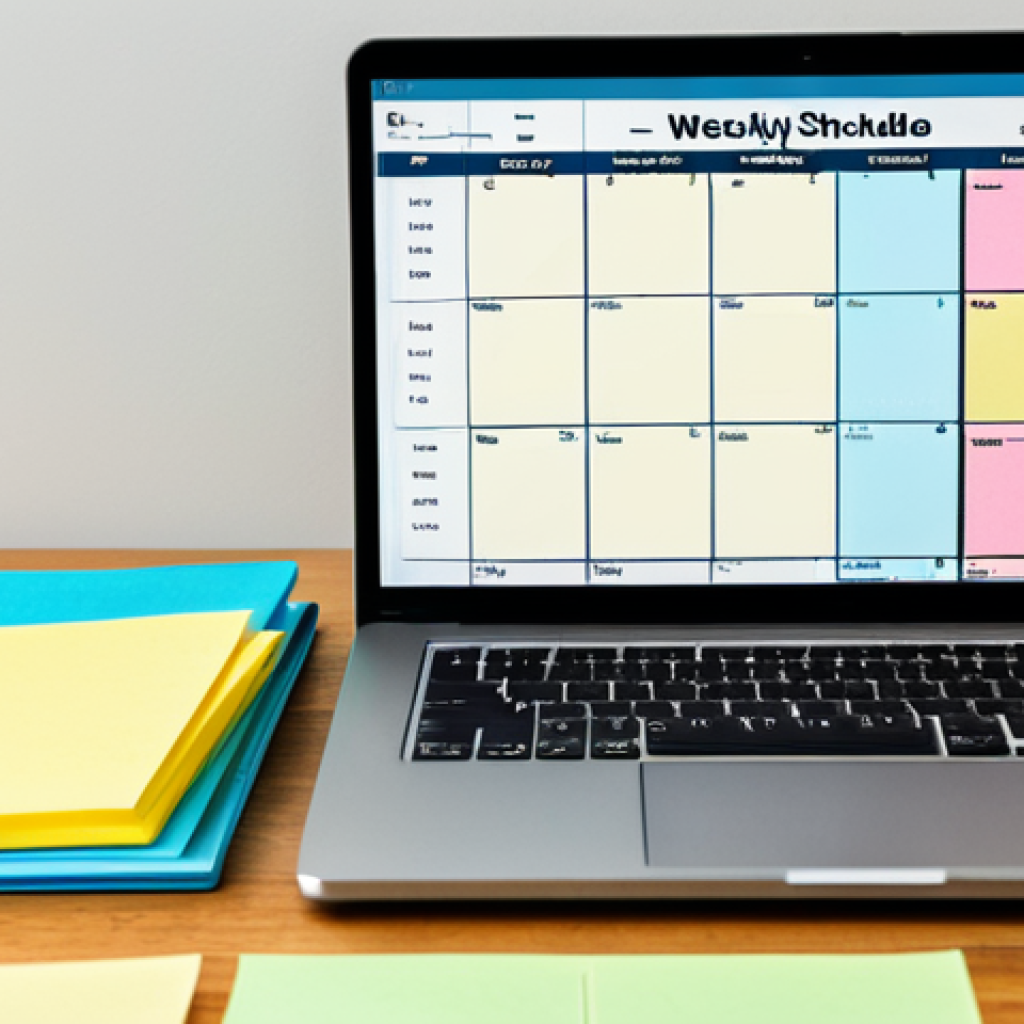
Crafting a Solid Study Schedule: Time is of the Essence
Time management is crucial, especially when you’re juggling work, family, and everything else life throws at you. I learned this the hard way when I tried to cram everything in at the last minute and ended up feeling completely overwhelmed.
Creating a structured study schedule not only keeps you on track but also prevents burnout. It’s like having a roadmap for your exam preparation journey.
Setting Realistic Goals
Break down your study goals into smaller, more manageable chunks. Instead of trying to study everything at once, focus on mastering one topic at a time.
Set daily or weekly goals that are realistic and achievable. Celebrate your successes along the way to stay motivated.
Incorporating Breaks and Rest
Don’t forget to schedule regular breaks and rest periods into your study schedule. Studying for hours on end without taking breaks can lead to mental fatigue and decreased productivity.
Take short breaks every hour to stretch, walk around, or do something you enjoy. Get enough sleep each night to allow your brain to rest and consolidate information.
Active Recall and Spaced Repetition: The Power Duo
Passive reading is a big no-no. I used to highlight everything in my textbook, thinking I was actually learning something, but when it came time to apply the knowledge, I drew a blank.
Active recall and spaced repetition are game-changers. They force you to actively retrieve information from your memory, which strengthens your understanding and retention.
Implementing Active Recall Techniques
Instead of passively reading your notes or textbook, actively test yourself on the material. Use flashcards, practice questions, or quizzes to challenge your understanding.
Try explaining concepts to someone else or teaching them to yourself. The more you actively engage with the material, the better you’ll remember it.
Utilizing Spaced Repetition Software
Spaced repetition involves reviewing material at increasing intervals over time. This helps to reinforce your memory and prevent forgetting. There are many spaced repetition software programs available that can help you automate the process.
I personally recommend Anki.
Leaning on Practice Exams: Simulating the Real Deal
Practice exams are your best friends! They simulate the actual exam environment and help you identify your strengths and weaknesses. I remember taking my first practice exam and being shocked at how different it was from just studying the material.
It’s one thing to know the information, but it’s another thing to apply it under pressure.
Familiarizing Yourself with the Exam Format
Practice exams will familiarize you with the exam format, question types, and time constraints. This will help you feel more comfortable and confident on exam day.
Pay attention to the instructions and guidelines provided in the practice exam.
Analyzing Your Performance
After taking a practice exam, carefully analyze your performance. Identify the areas where you struggled and the topics that you need to review further.
Use your practice exam results to guide your study efforts and focus on improving your weak areas.
Demystifying Key Concepts: A Deep Dive
Don’t just memorize definitions; strive to understand the underlying concepts. I made the mistake of trying to memorize everything, but when the exam questions required me to apply the knowledge, I was lost.
Grasping the “why” behind the “what” will make you a much more effective test-taker.
Breaking Down Complex Topics

Break down complex topics into smaller, more manageable chunks. Focus on understanding the fundamental principles and building upon them. Use diagrams, charts, and other visual aids to help you visualize the concepts.
Connecting Concepts to Real-World Scenarios
Connect the concepts you’re learning to real-world scenarios. This will help you understand how the concepts apply in practice and make them more memorable.
Look for case studies, examples, or news articles that illustrate the concepts you’re studying.
The Power of Study Groups and Peer Learning
Studying with others can be incredibly beneficial. I found that discussing concepts with my peers helped me to clarify my understanding and identify areas where I was struggling.
Plus, it’s just more fun to study with friends!
Engaging in Collaborative Learning
Join a study group or find a study buddy. Discuss the material together, quiz each other, and share your insights. Working with others can help you see the material from different perspectives and learn from each other’s strengths.
Seeking Mentorship and Guidance
If possible, find a mentor or advisor who has experience in the field. They can provide valuable guidance and support throughout your exam preparation journey.
Ask them for advice on study strategies, exam-taking tips, and career opportunities.
Maintaining a Healthy Lifestyle: Body and Mind
Last but not least, don’t neglect your physical and mental health. I know it’s tempting to pull all-nighters and live on coffee, but trust me, it’s not worth it.
A healthy body and mind are essential for optimal cognitive function.
Prioritizing Sleep, Nutrition, and Exercise
Get enough sleep each night to allow your brain to rest and consolidate information. Eat a healthy diet that is rich in fruits, vegetables, and whole grains.
Exercise regularly to reduce stress and improve your mood.
Practicing Stress Management Techniques
Exam preparation can be stressful, so it’s important to practice stress management techniques. Try meditation, yoga, or deep breathing exercises to calm your mind.
Take breaks from studying to do things you enjoy and spend time with loved ones.
Resources
Here’s a table of the resources that I have used.
| Resource Type | Description | Pros | Cons |
|---|---|---|---|
| Textbooks | Comprehensive overview of health management topics. | Detailed information, structured learning. | Can be overwhelming, may not be exam-focused. |
| Practice Exams | Simulate exam environment, assess knowledge. | Identifies strengths/weaknesses, improves test-taking skills. | May not cover all topics, can be expensive. |
| Online Courses | Structured learning, expert guidance. | Convenient, interactive, up-to-date content. | Can be costly, requires discipline. |
| Study Groups | Collaborative learning, peer support. | Shared knowledge, motivation, diverse perspectives. | Can be time-consuming, requires coordination. |
| Flashcards | Memorization, quick review. | Portable, effective for rote learning. | May not promote deep understanding. |
Deciphering the exam blueprint, crafting a solid study schedule, active recall, leaning on practice exams, demystifying key concepts, the power of study groups, and maintaining a healthy lifestyle are essential keys to exam success.
Wrapping Up
So, there you have it! These are the strategies that helped me conquer my health management exam. Remember, preparation is key, but so is taking care of yourself. Don’t forget to breathe, believe in yourself, and know that you’ve got this! Good luck, and I’m cheering you on every step of the way. I hope these tips will help you with your studies. With these tips, you will get through it.
Handy Tips to Know
1. Join professional organizations like the American College of Healthcare Executives (ACHE) or the Healthcare Financial Management Association (HFMA) for resources and networking.
2. Explore online learning platforms like Coursera, Udemy, or edX for certified courses in healthcare management and related fields.
3. Subscribe to healthcare industry newsletters and blogs to stay updated on the latest trends, regulations, and best practices.
4. Participate in healthcare conferences and webinars to learn from industry experts and connect with peers.
5. Follow thought leaders and influencers in healthcare on social media to gain insights and stay informed about industry news.
Key Takeaways
Understand Exam Weighting: Know which topics carry the most weight and prioritize them.
Create a Realistic Schedule: Balance study time with breaks and rest.
Use Active Recall and Spaced Repetition: Actively test yourself and review material at increasing intervals.
Take Practice Exams: Simulate the exam environment and identify weak areas.
Maintain a Healthy Lifestyle: Prioritize sleep, nutrition, and stress management.
Frequently Asked Questions (FAQ) 📖
Q: What are the most important areas to focus on when studying for the health management professional written exam?
A: From my own experience, I’d say focusing on preventative care and wellness programs is key. Also, really dig into the latest tech in remote patient monitoring, as healthcare is moving more and more in that direction.
Personalized medicine and data-driven healthcare are also big for the future, so get a solid understanding of those. Basically, nail the core concepts and how to actually use them.
Q: What are some effective study strategies for the health management professional exam beyond just memorizing facts?
A: Trust me, just memorizing stuff won’t get you there. I found that creating real-world scenarios and applying what I learned to them really helped. Think about how you’d handle different situations in a clinic or hospital setting.
Also, try explaining the concepts to someone else. If you can teach it, you really know it. Study groups can be a lifesaver for this.
Q: With personalized medicine and data-driven healthcare becoming more prominent, how should I prepare for related questions on the exam?
A: That’s a great question! I’d start by understanding the ethical considerations and patient privacy issues around using large datasets. Look into the different technologies being used to analyze health data and how that information is being used to create individualized treatment plans.
Think about how these advancements could impact the future of healthcare delivery and patient outcomes. Keep up to date with the latest research and clinical applications.
📚 References
Wikipedia Encyclopedia